
Delta farmers having a big problem with snail outbreak

When Green Way visited to Dedaye (Ayeyarwaddy Division), the farmers told us their problems. They said the snail problem is the biggest problem ever and they can’t solve it yet. They call them Taiwan Snails (because they are bigger than local snails and we, Myanmar people, usually call something "Taiwan" whatever (fruit, vegetable, etc) when it is bigger than the local one). It has been around since two years ago. That snail goes up the creek, stream and river day by day.
 The myth said that one migrant labor took 4-5 snails from Thailand as he loved those and he raised them in the creek near his home. They multiplied quickly and move to other locations and became an outbreak.
We invite everyone to participate in this discussion and please kindly share your ideas for the control of these pests. Now the farmers lost their paddy and their family will be in the trouble if they can’t solve this problem.
Visual Biography of Snail
Here we upload the some pictures of snail and their eggs. The size is 5-10 times bigger than the local snail. The farmers said they mate all year round and multiply very quickly. For the local variety, they multiply only in their season and they can avoid them by changing the sowing time. They lay eggs in  clusters 6 inches above the water level and there will be around 1000 eggs. The edge of the snail is very sharp and some farmers are afraid to go into the field. When the tide is low and sunny, they go down to the bottom of the water and hide.
Difficulties of farmers
Using pesticide and chemical
They look for ways to stop them but they can’t so far. Using pesticide and chemical is not possible as they come into the field when the water is at high tide. Their fields do not have good drainage.
Biological control
Letting ducks eat them is not effective. Ducks usually eat the local snail and group of ducks is a good control for the local one. But here ducks do not eat them.
Physical Control
At first, the farmers collect these snails and send them to the chicken farm. They pound them and mix them with chicken feed. At first the chickens will try them, but then refuse to eat them. The farmers can’t take them all.
You can leave your valuable discussion in the following comment box or send it to info@greenwaymyanmar.org.

ဆက်စပ်မေးခွန်းများ
စပါးမှာ ဆီလီကာမြေသြဇာကိုဘယ်အချိန်မှာထည့်ရမလဲဗျ
Aung Ko Zin • ဖြေကြားချက် 1 ခု
သီဟိုဠ်ပင်ြကားညှပ်ဘာအပင်စိုက်သင့်လဲ
Green Face • ဖြေကြားချက် 3 ခု
အမည်းအလုံးတွေကဘာကြောင့်ဖြစ်တာလဲဘယ်လိုလုပ်ရမလဲပြောပြပေးပါဦးဆရာတို့
တောသားလေး • ဖြေကြားချက် 2 ခု
ပဲပုပ်ကို ခုတ်ဖုံးကျဲလိုရလား
ဦးလင်း • ဖြေကြားချက် 5 ခု
ကြက်သွန်နီ စိုက်ပျိုးပုံ အဆင့်ဆင့်ကိုပြောပါအုံး တစ်ခါမှမစိုက်ဖူးလို့ ဘယ်လမှာ ပျိုးပြီးတော့ ဘယ်နရက်သားမှာ ချစိုက်ရတာလဲ
စိုးငြိမ်းထွန်း • ဖြေကြားချက် 1 ခု
.jpg)

Farm Link Co.,Ltd
ရေမီးအစုံနဲ့ လေထီးခုန်နိုင်မယ့် ဖန်းလင့်ရဲ့ #စမတ်သီးစုံလာပါပြီ.....ဦးကြီးတို့ရေ လေထီးခုန်ချင်ပေမယ့် စမတ်သီးစုံကို မသိသေးရင်တော့ ဒီစာလေးကို ဆက်ဖတ်ပေးပါ #စမတ်သီးစုံဆိုတာ အပင်တိုင်းအတွက် အဓိကအာဟာရNPK (19:7:8)နဲ့ #ဟူးမစ်အက်စစ်တို့ အချိုးကျ ပေါင်းစပ်ထားတဲ့ ကွန်ပေါင်းဓာတ်မြေဩဇာဖြစ်ပါတယ်။ အဓိကအကျိုးကျေးဇူးတွေအနေနဲ့ကတော့ နိုက်ထရိုဂျင် 19%ပါဝင်တဲ့အတွက် ကလိုရိုဖီးလ်ဖွဲ့စည်းမှုကို အားပေးကာ သီးနှံပင်များ၏အရွက်များစိမ်းလန်းသန်စွမ်းပြီး အစာချက်လုပ်မှုအားကောင်းစေပါတယ်။ အပင်၏ပင်ပိုင်းကြီးထွားမှုကို တိုးမြင့်စေကာ အပင်သန်၍ အကြီးမြန်စေပါတယ်။ သင့်တော်တဲ့ Phosphorus 7%ပါဝင်မှုကြောင့် အပင်ရဲ့ အမြစ်ဖွဲ့စည်းတည်ဆောက်မှုကို ပို၍သန်မာလာအောင် အားပေးပါတယ်။ ဒါ့အပြင် ပန်းပွင့်ခြင်း၊အသီးသီးခြင်း၊အစေ့တည်ခြင်းလုပ်ငန်းစဉ်များကိုလည်း အားပေးပါတယ်။ လုံလောက်တဲ့ Potassium 8%က အပင်ရဲ့ ရောဂါဒဏ်၊ရာသီဥတုဒဏ်ခံနိုင်ရည်ရှိမှုကို မြင့်တက်စေပြီး အသီးအရည်အသွေး၊ အရွယ်အစားနဲ့ အရသာ ပိုမိုကောင်းမွန်စေဖို့အတွက် လိုအပ်တဲ့အာဟာရဓာတ်ဖြစ်ပါတယ်။ ဟူးမစ်အက်စစ်ပါဝင်ပေါင်းစပ်ထားတဲ့အတွက် အာဟာရဓာတ်စုပ်ယူမှုကောင်းမွန်လာခြင်း၊မြေဆီလွှာဖွဲ့စည်းပုံနှင့်ရေထိန်းနိုင်စွမ်းအားကောင်းလာခြင်းအပါအဝင် အကျိုးကျေးဇူးများစွာကိုရရှိစေမှာဖြစ်ပါတယ်။ စပါးအပါအဝင် နှံစားသီးနှံများ၊ပဲအမျိုးမျိုး၊ဟင်းသီးဟင်းရွက်နဲ့ ဥယျာဉ်ခြံသီးနှံအားလုံးမှာ အသုံးပြုနိုင်တယ်ဆိုတော့ တစ်မျိုးတည်းနဲ့ အားလုံးပါဖက်(perfect)မယ့် စမတ်သီးစုံနော် အရွေးမမှားတာသေချာပြီမလို့ အတွေးမများဘဲ သီးနှံတိုင်းကြီးထွားအောင် ဖန်းလင့်ရဲ့ #စမတ်သီးစုံကို သုံးကြပါစို့....
နောက်ဆုံး ဆောင်းပါးများ
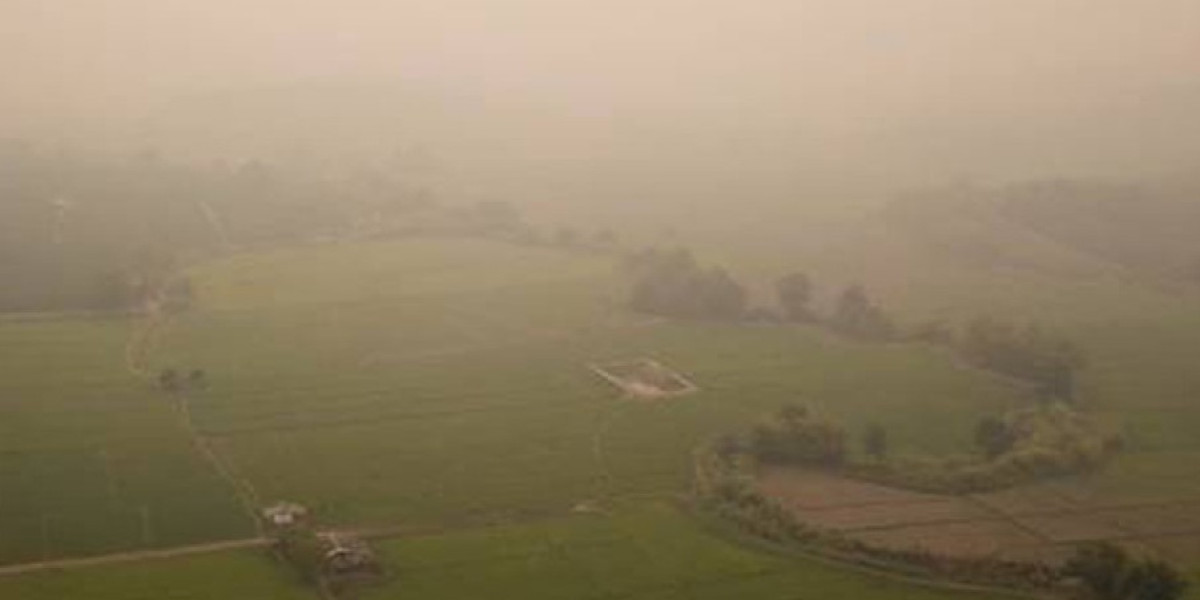
နှင်းလား၊ မြူလား... သတိထားစရာ PM2.5 လေထုအဆိပ်ငွေ့များ
04/09/2026

စိုက်ချိန် ရိတ်ချိန်တွေ ဖြေဆိုရင်း ဖုန်းဘေ ကံထူးခဲ့ကြသူများ
03/09/2026
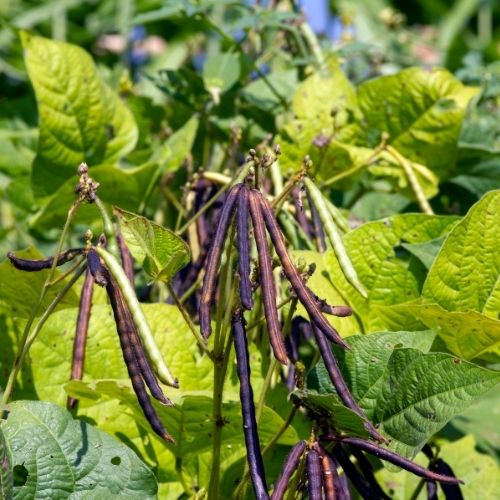
စက်တင်ဘာလအစတွင် မတ်ပဲဈေးများ ဆက်တိုက်ကျဆင်းလာ
03/09/2026
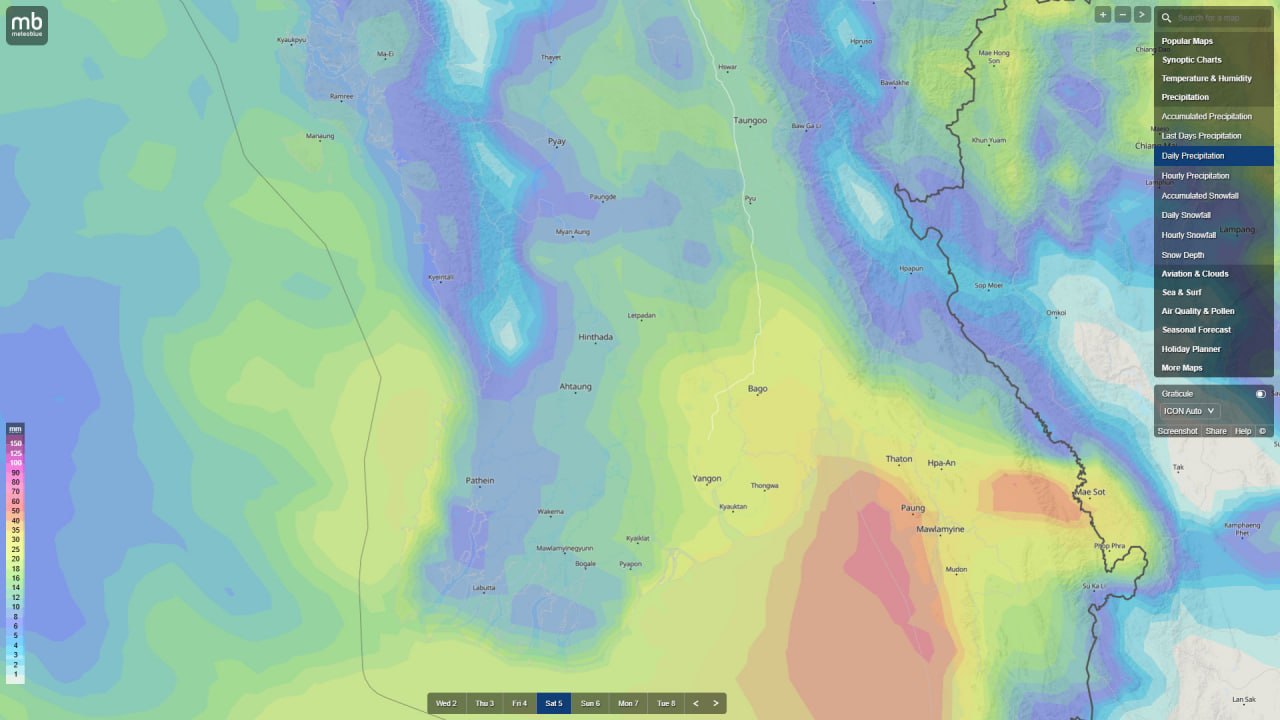
မွန်နှင့် ကရင်ပြည်နယ်တို့တွင် မိုးသည်းထန်စွာ ဆက်လက် ရွာသွန်းနိုင်
02/09/2026
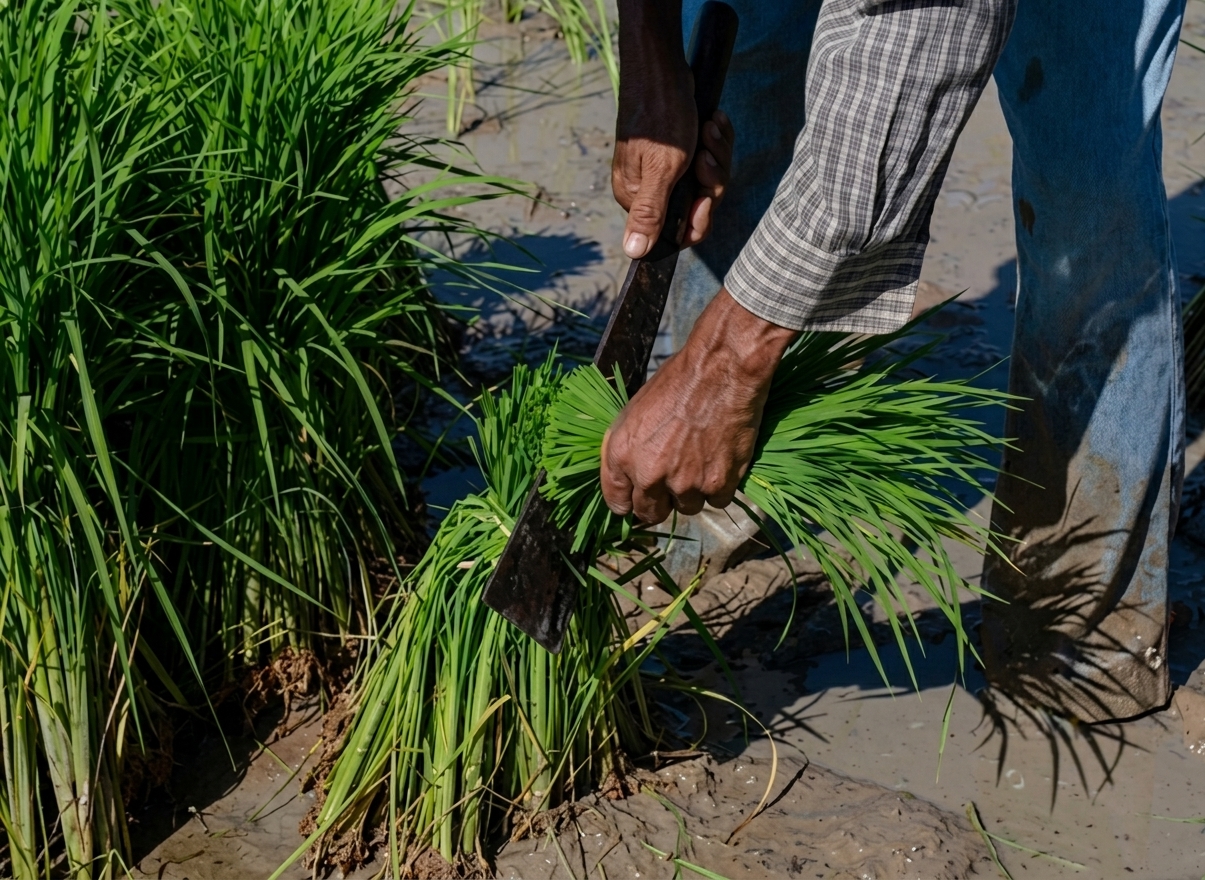
စပါးပင် ဘယ်အချိန်မှာ ရွက်ဖြတ်သင့်လဲ..ဘာကြောင့်ဖြတ်ကြတာလဲ?
02/09/2026
More from Green Way
အားလုံး
စိုက်ချိန် ရိတ်ချိန်တွေ ဖြေဆိုရင်း ဖုန်းဘေ ကံထူးခဲ့ကြသူများ
03/09/2026
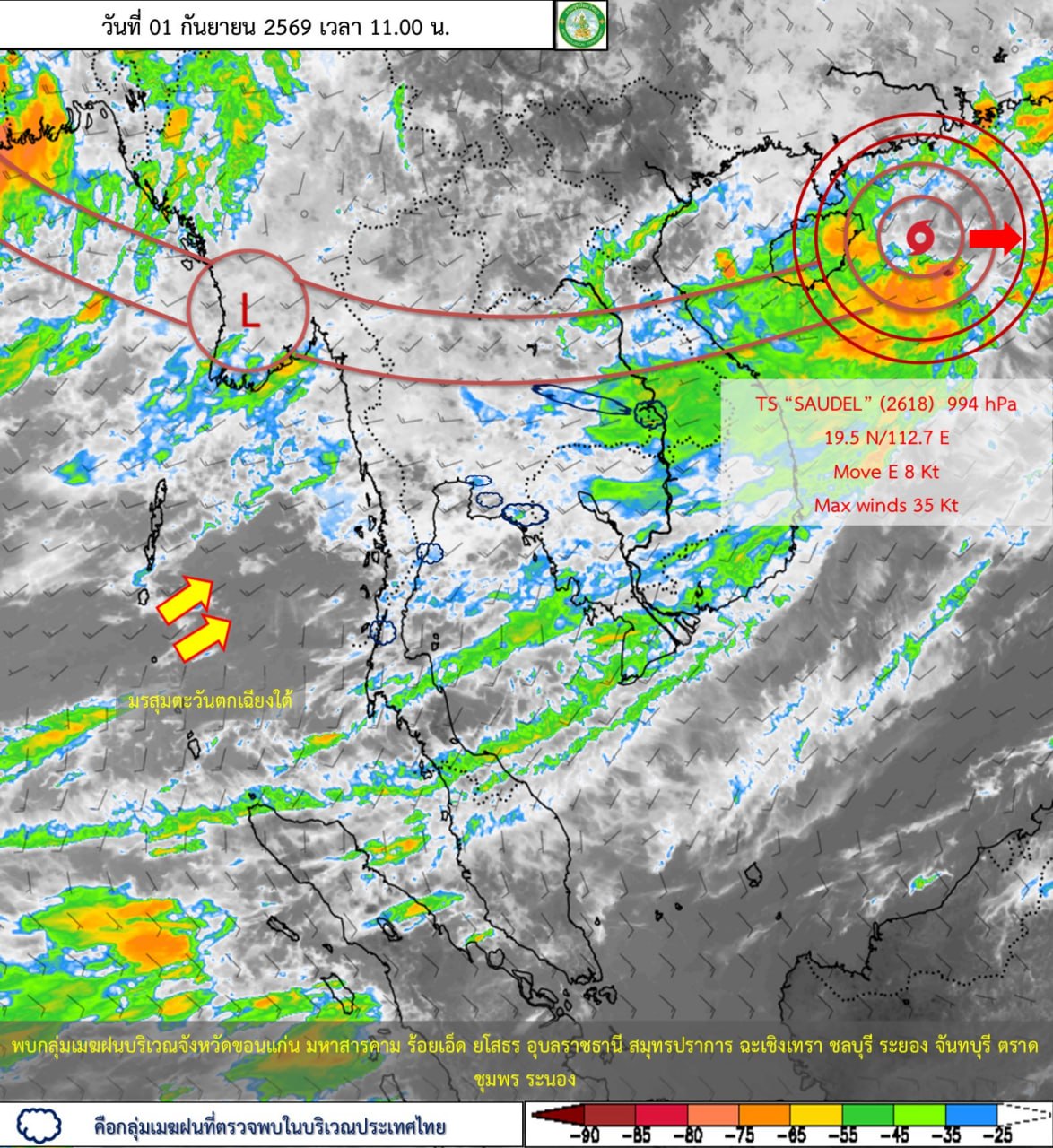
မြန်မာနိုင်ငံအထက်ပိုင်းတွင် မိုးတိမ်ထုများ ဆက်လက် ဖြစ်ထွန်းနေမည်
01/09/2026
 အသံ
အသံ
အစိမ်းရောင်လမ်းဆော့ဝဲအတွင်း စိုက်ပျိုးရေးသွင်းအားစုများ ကြော်ငြာခြင်းနှင့် ရောင်းချခြင်းဆိုင်ရာ အသိပေးထုတ်ပြန်ချက်
25/08/2026
 ဗီဒီယို
စိုက်ချိန်/ရိတ်ချိန်ဖြေပေးရင်း ဖုန်းဘေလ်ကံစမ်းနိုင်ပါပြီ (ဩဂုတ်လ ၃၁ ရက်နေ့အထိသာ)
24/08/2026
 ဗီဒီယို
စိုက်ချိန်ရိတ်ချိန်ဖြေပေးရင်း .. ဖုန်းဘေလ်ကံစမ်းကြမယ်
04/08/2026